
Aguas Ricas. Rich Waters.

In any language, this phrase defines the fishing experience in Baja California Sur.

One of the premier sportfishing destinations on Earth, this rugged peninsula where the cold, nutrient-rich currents of the Pacific collide with the warm, biodiverse waters of the Gulf of California is nothing short of world class. Whether you’re an experienced traveling angler or more lightly experienced, the Aguas Ricas of Baja California Sur will totally captivate. Here, the game elevates through sheer proximity, variety, and the raw, untamed feel that still lingers south of Bahia Tortugas on the Pacific, below Santa Rosalia on the Gulf, and of course in the world class fishery of Los Cabos. The peninsula's dual coasts deliver year-round options. The Pacific side offers big-water pelagics, massive bait aggregations, and inshore reefs that hold surprises even in winter. The Gulf of California from Santa Rosalia south—Jacques Cousteau's "world's aquarium"—provides calmer seas for most of the year, explosive inshore action, and billfish that often show within sight of desert mountains. Both sides share legendary species, but their flavors differ: the Pacific for volume and giants, the Gulf for diversity and technical fights. Sportfishing in Baja California Sur traces its roots to the mid-20th century, when Hollywood icons and wealthy adventurers discovered the peninsula's untapped bounty.

Before the Transpeninsular Highway was completed in 1973, access came by small plane or boat, with dirt airstrips and pack mules hauling gear. John Wayne, Bing Crosby, and Desi Arnaz pioneered the scene, hosting lavish camps at places like Rancho Las Cruces near La Paz and Rancho Buena Vista on the East Cape. These were raw expeditions: marlin on 130-pound outfits, no GPS, and stories swapped over campfires.

The MODERN ERA

IGNITED IN THE 1980s.

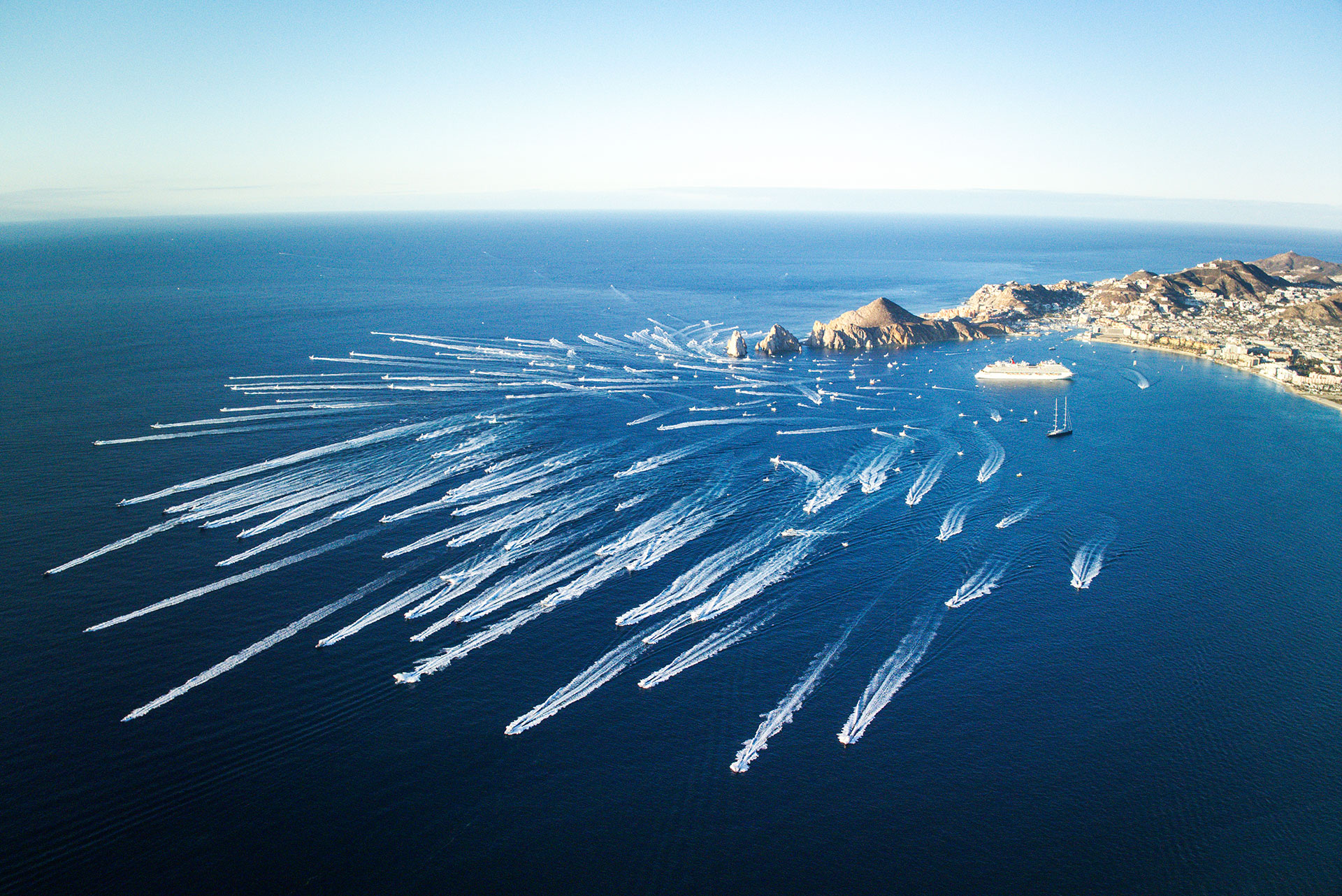
Bob Bisbee launched the first Bisbee's Black & Blue Marlin Tournament in Cabo San Lucas in 1981, starting with just six teams and a modest $10,000 purse. It grew explosively, becoming the "Super Bowl of fishing," with multimillion-dollar payouts and a record exceeding $4 million in one year. The series expanded to include the East Cape Offshore in 2000 around Buenavista for a more laid-back vibe in late July and early August, and the Los Cabos Offshore in 2002 as the lead-in.


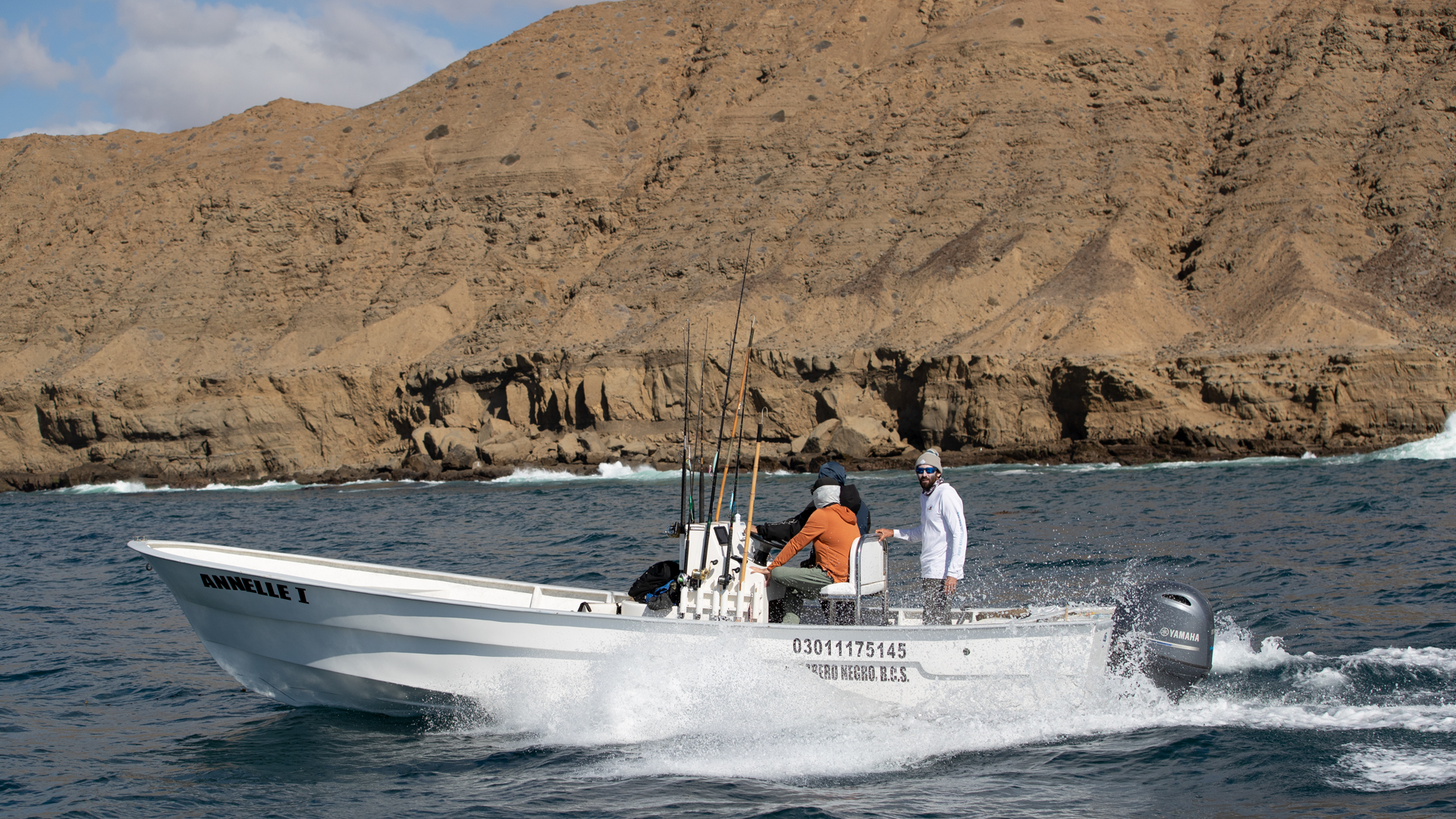
These events put Baja California Sur on the global map, drawing elite teams and boosting infrastructure with marinas, fleets, and lodges. Pioneers like the Van Wormer family on the East Cape and local captains built reputations on consistent big fish. Conservation followed suit, with catch-and-release for billfish becoming standard, especially in tournaments, and cooperatives managing inshore resources. Today, the region blends old-school pangas with 50-foot sportfishers, yet the spirit remains one of raw power, desert isolation, and fish that test every skill you've honed.

Baja California Sur hosts a who's-who.

of pelagic and inshore heavyweights.

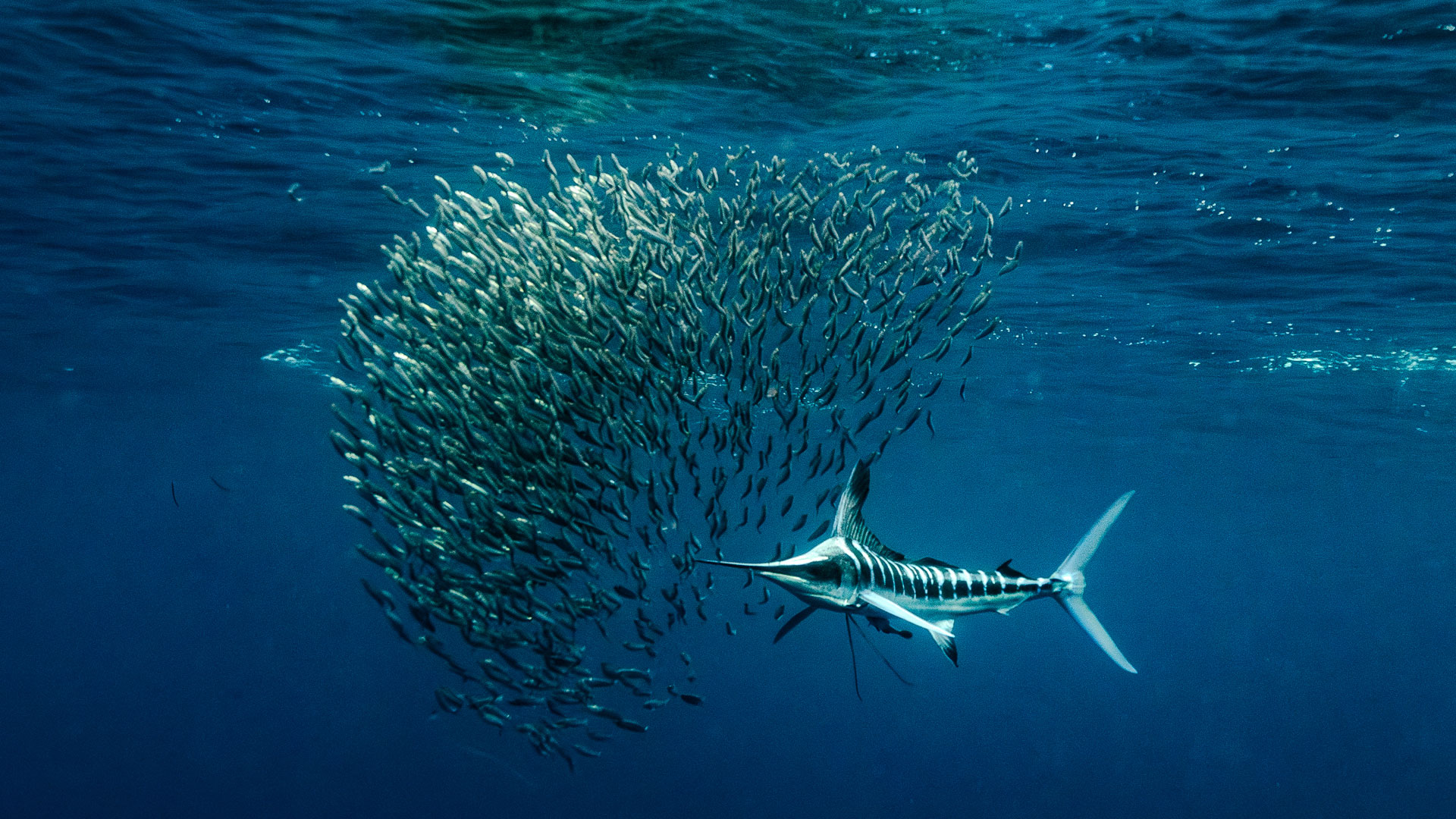
Billfish lead the charge, with striped marlin available year-round and peaking from November through March across both the Pacific and the Gulf, often in double-digit numbers off Cabo, the East Cape, and Magdalena Bay. These fish average 100 to 200 pounds, with bait-ball frenzies turning the water into chaos. Blue marlin dominate summer through fall, peaking August through November, with bigger specimens—250 to 500 pounds or more—common on the Pacific off Cabo and Magdalena, while the East Cape sees them closer to shore. Black marlin appear in summer and fall, less frequently but often trophy-sized at 300 to 800 pounds plus on high spots and banks. Sailfish thrive in summer, particularly abundant in the Gulf of California from La Paz to Loreto.

Tuna follow closely, led by yellowfin that bite year-round with peaks in fall and winter. Football-sized to 200-pound-plus "cows" school around Alijos Rocks, Thetis Bank, and Cerralvo Island. Dorado, or mahi-mahi, explode in spring through fall, delivering acrobatic fights beneath weed lines or dolphin pods. Wahoo provide year-round action but peak in fall and winter, with blistering runs from big specimens of 50 to 80 pounds plus.

From Bahia Tortugas southward along the Pacific, the coast remains wilder and less developed, featuring long swells, kelp forests, and offshore banks. Access often requires long drives or small-plane charters, with pangas or larger center consoles dominating. Bahia Tortugas and Asuncion deliver reliable yellowtail, rockfish, and occasional white seabass, serving as a winter refuge from winds with cooperative fleets offering clean pangas. Abreojos and La Bocana feature surf beaches for big corbina and offshore tuna or dorado when conditions calm. Magdalena Bay stands legendary, with its vast estuary holding inshore roosterfish and jacks, but the true draw lies offshore at The Ridge, Thetis Bank, and Alijos Rocks, producing striped marlin, yellowfin from footballs to 200 pounds plus, wahoo, and dorado. Fall and winter bait balls draw marlin releases in the dozens, while winter yellowtail hold strong near islands. At the tip, Cabo San Lucas and San Jose del Cabo offer world-class striped marlin from November through March, blue and black marlin in summer through fall, yellowfin, dorado, and wahoo. Gordo Banks yields tuna and marlin, with inshore roosterfish on beaches. As the Bisbee's hub, it carries high-energy fleets, and skilled captains deliver consistent shots.

Modes on the Pacific include trolling cedar plugs and lures for billfish, chunking or live bait for tuna, fly and light tackle for roosters on beaches, and panga runs to banks. Winter swells demand weather windows. The Gulf of California from Santa Rosalia south offers calmer, warmer, more protected waters through Mulege, Loreto, La Paz, and the East Cape to Cabo. Santa Rosalia, Mulege, and Bahia Concepcion serve as yellowtail winter hotspots alongside reef species like grouper and snapper. Loreto, within a national marine park atmosphere, produces roosterfish, jack crevalle, yellowtail, and occasional marlin or sailfish offshore, with fly fishing excelling. La Paz acts as the gateway to Cerralvo Island and Espiritu Santo, delivering roosterfish with world-record potential, tuna, dorado, wahoo, and snapper. Muertos Bay and Suenos Bay offer inshore action, including fly shots at tailing roosters. The East Cape from Los Barriles to Buena Vista reigns as roosterfish heaven, with beach casting for 50-pound-plus fish, plus offshore marlin, tuna, and dorado in a laid-back setting with strong conservation ethic. The east side of Cabo overlaps with Pacific opportunities, often finding striped marlin close in.

MODES HERE FAVOR PANGAS AND LIGHT TACKLE

FOR INSHORE SPECIES

like roosterfish and jacks, trolling or live bait for pelagics, and fly fishing—where calm waters enable sight-casting for roosterfish, dorado, and jacks. Kayak or beach options thrive in bays. Seasons drive decisions: winter from December through March favors Pacific yellowfin and striped marlin alongside yellowtail and roosterfish. Summer from June through September brings blue marlin, dorado, and sailfish. Fall transitions prove explosive. Licenses are required and easy to obtain online, with catch-and-release for billfish standard. Bring 30- to 50-pound spinning and conventional setups, 80- to 130-pound gear for big game, and 9- to 12-weight fly outfits for roosters. Lodges and fleets abound, from East Cape spots like Buena Vista to La Paz operators, Cabo's robust fleet, and specialized Magdalena camps. Weather plays a key role—north winds, or El Norte, hammer the Gulf of California in winter, so check forecasts obsessively. Pacific swells persist year-round.


Baja California Sur isn't always easy-access luxury; it delivers adventure with real payoff. The fish hit hard, the scenery stuns, and the stories endure. You've earned these rich waters.

NOW GO

EXPERIENCE THEM.